The Secret Life of Books Hidden stories. Untold truths. Every book
Banned Book Spotlight: Dubliners by James Joyce
Why the Book Still Matters Today
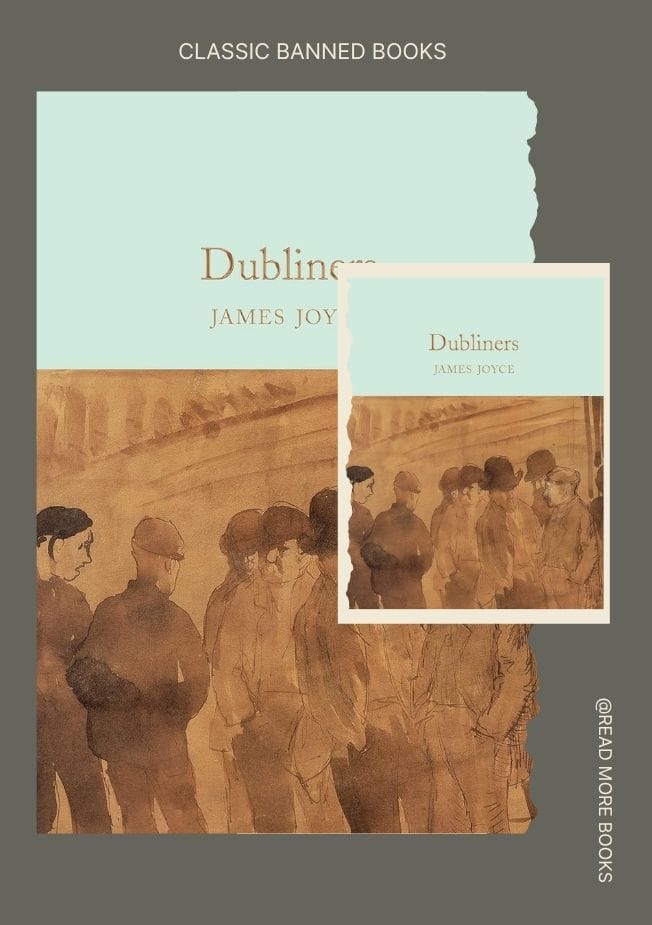
Published in 1914, Dubliners is a collection of short stories that paints a stark, realistic portrait of life in Dublin in Ireland at the turn of the 20th century. Instead of grand heroes or dramatic adventures, Joyce focuses on ordinary people trapped in routine, longing, and quiet disappointment.
Even today, the book feels relevant because it reveals something timeless: how everyday life can carry emotional weight, hidden struggles, and moments of sudden self-awareness.
Content and Themes
Beneath its simple storytelling lies deep social and psychological insight:
Stagnation and paralysis – Characters often feel stuck in their social and personal lives.
Everyday realism – Ordinary moments reveal deeper emotional truths.
Identity and self-awareness – Many stories end with sudden realizations about life.
Family and society – Relationships are shaped by duty, expectation, and tradition.
Illusion vs. reality – Characters often confront disappointing truths about themselves and others.
Its quiet tone makes its impact even more powerful.
About the Author: James Joyce
James Joyce was an Irish modernist writer known for transforming literary style and narrative form. His works often explore memory, identity, and the inner lives of ordinary people.
Dubliners was his first major work and laid the foundation for his later masterpieces, including Ulysses.
Why Dubliners Was Banned or Challenged
The collection faced censorship and resistance due to:
Realistic portrayal of poverty and society – Seen as unflattering to Irish life at the time.
Religious and moral criticism – Some stories were considered sensitive or inappropriate.
Language and themes – References to alcoholism, infidelity, and despair.
Political sensitivity – Concerns about national image under British rule.
Its honesty about everyday life made it controversial in its era.
Final Thought
Dubliners was challenged not because it exaggerates life—but because it refuses to soften it. It shows that meaning is often found not in dramatic events, but in the quiet moments where people confront themselves.