The Secret Life of Books Hidden stories. Untold truths. Every book
Banned Book Spotlight: Anna Karenina by Leo Tolstoy
Why the Book Still Matters Today
Published in 1877, Anna Karenina is one of the greatest psychological novels ever written. Set in imperial Russia, it follows the tragic story of Anna, a woman who challenges societal norms in pursuit of love, and the emotional and social consequences that follow.
Even today, the novel remains deeply relevant because it explores love, morality, reputation, and the pressure of social expectations—forces that still shape human behavior in modern society.
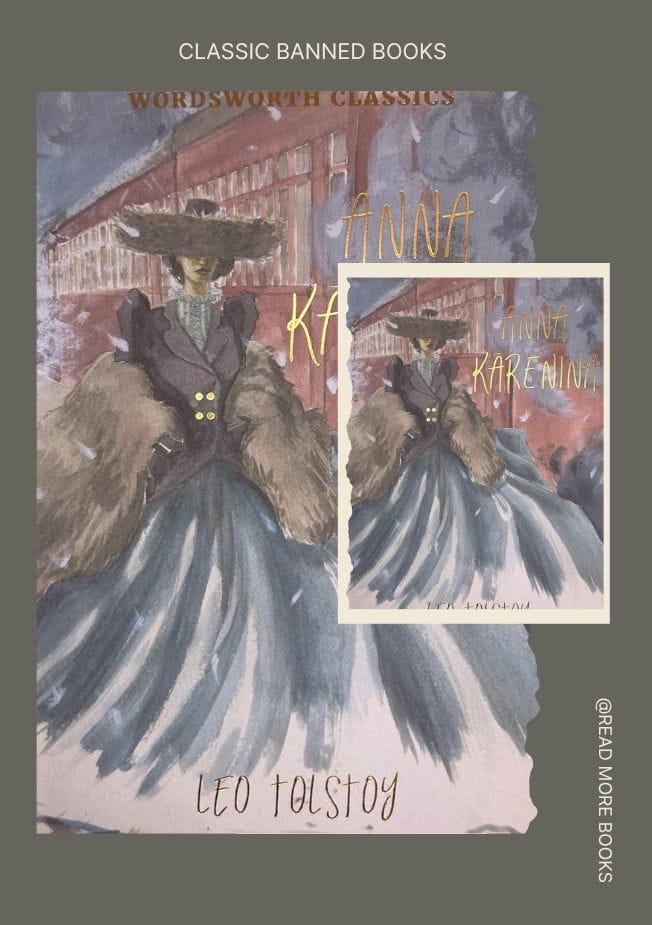
Content and Themes
Beneath its elegant realism lies profound emotional and philosophical depth:
Love and forbidden desire – Anna’s relationship challenges social and moral boundaries.
Society and judgment – Reputation and public opinion shape personal fate.
Marriage and dissatisfaction – Contrasting relationships reveal emotional complexity.
Hypocrisy and double standards – Society judges women more harshly than men.
Faith and meaning – Parallel storylines explore spirituality and purpose.
Its dual narrative structure deepens its exploration of human life.
About the Author: Leo Tolstoy
Leo Tolstoy was a Russian writer and philosopher known for his deep exploration of morality, society, and the human condition. His works combine realism with philosophical insight, making him one of the most influential literary figures in history.
Anna Karenina is considered his masterpiece of psychological realism.
Why Anna Karenina Was Banned or Challenged
While not widely banned in the modern sense, the novel faced criticism and restrictions in certain contexts due to:
Adultery and moral controversy – Its central theme challenged traditional values.
Criticism of social norms – Exposure of hypocrisy in aristocratic society.
Religious and ethical debates – Questions about morality, sin, and redemption.
Emotional and tragic content – Themes of suicide and despair.
Its honesty about human relationships often made it controversial in conservative settings.
Final Thought
Anna Karenina was not written to condemn love—but to show its consequences when shaped by rigid social structures. It reveals how personal happiness and societal expectations often collide.