The Secret Life of Books Hidden stories. Untold truths. Every book
Banned Book Spotlight: The Canterbury Tales by Geoffrey Chaucer
Why the Book Still Matters Today
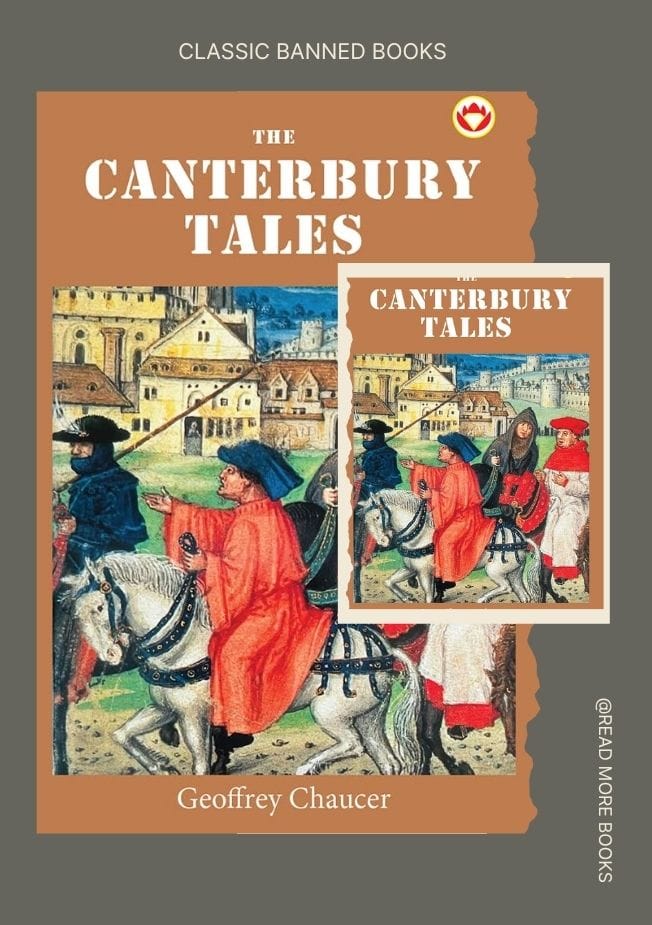
Written in the late 14th century, The Canterbury Tales is one of the foundational works of English literature. Set during a pilgrimage from London to Canterbury in England, it follows a diverse group of travelers who each tell stories to pass the journey.
Even today, the work remains important because it captures the full range of human behavior—humor, greed, love, hypocrisy, and wisdom—through voices that feel surprisingly modern.
Content and Themes
Behind its medieval setting lies timeless social commentary:
Human nature in all forms – Stories range from noble to comedic to deeply flawed.
Social class and hierarchy – Pilgrims represent different levels of medieval society.
Religion and hypocrisy – Some tales subtly criticize corruption in the Church.
Love, desire, and morality – Competing views of romance and virtue appear throughout.
Storytelling as power – Each character uses narrative to reveal identity and influence others.
Its variety makes it one of the earliest examples of multi-perspective storytelling.
About the Author: Geoffrey Chaucer
Geoffrey Chaucer is often called the “Father of English Literature.” He was among the first major writers to use English instead of Latin or French, helping shape the development of literary English.
The Canterbury Tales remains his most famous work, blending humor, satire, and observation of everyday life.
Why The Canterbury Tales Was Banned or Challenged
While not consistently “banned” in the modern sense, parts of the text have been challenged or censored over time due to:
Sexual and bawdy content – Some tales contain explicit humor and innuendo.
Criticism of clergy – Satirical portrayal of religious figures.
Moral concerns in later periods – Certain stories were considered inappropriate for students.
Cultural sensitivity shifts – Language and humor reflecting medieval norms.
Its realism and satire often unsettled later moral standards.
Final Thought
The Canterbury Tales was not controversial because it misrepresents society—but because it reflects it too honestly. It shows that across centuries, people remain complex, flawed, humorous, and deeply human.