The Secret Life of Books Hidden stories. Untold truths. Every book
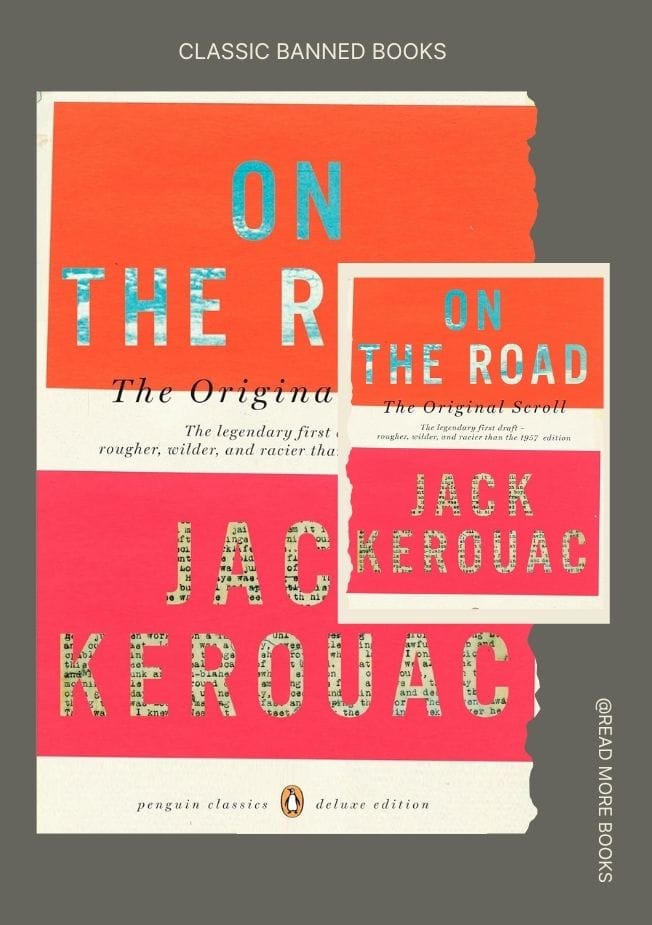
Banned Book Spotlight: On the Road by Jack Kerouac
Why the Book Still Matters Today
Published in 1957, On the Road became a defining work of the Beat Generation, capturing a restless search for freedom, identity, and meaning across postwar United States. The novel follows Sal Paradise and Dean Moriarty as they travel endlessly across highways, cities, and borders in pursuit of experience itself.
Even today, it resonates with readers who feel the tension between stability and freedom, routine and rebellion. It is less about destination—and more about the urge to keep moving when life feels uncertain.
Content and Themes
Beneath its spontaneous style lies cultural and emotional depth:
Freedom and rebellion – A rejection of conventional life and social expectations.
Search for meaning – Characters chase purpose through travel and experience.
Friendship and chaos – Intense, unstable relationships define the journey.
Spiritual longing – A search for something beyond material life.
American identity – The road becomes a symbol of possibility and disillusionment.
Its improvisational writing style mirrors its themes of spontaneity.
About the Author: Jack Kerouac
Jack Kerouac was an American novelist and poet, best known as a central figure of the Beat Generation. His writing style—often described as “spontaneous prose”—broke traditional literary structure and influenced generations of writers and artists.
On the Road remains his most iconic work.
Why On the Road Was Banned or Challenged
The novel faced criticism and challenges due to:
Sexual content and substance use – Depictions of relationships and drug culture.
Rejection of traditional values – Critique of mainstream American life and conformity.
Moral concerns – Seen as promoting a countercultural lifestyle.
Language and behavior – Realistic portrayal of rebellious youth culture.
Its controversy reflected cultural tensions of its time.
Final Thought
On the Road was not written to provide answers—it was written to chase experience. It captures a generation’s belief that meaning could be found in movement, spontaneity, and rebellion against conformity.