The Secret Life of Books Hidden stories. Untold truths. Every book
Seven Books That Explore Identity and Belonging
Some books do more than tell stories. They ask questions about who we are, where we belong, and how the choices of the past shape the people we become. They show us the spaces between home and exile, tradition and change, memory and the present. Reading these novels is like stepping into someone else’s life, and in doing so, you may come to see your own reflection.
These seven books examine identity not as a static label but as something lived, negotiated, and deeply personal. They remind us that belonging is often complicated, shaped by culture, history, love, and loss. They are stories that linger long after the last page because they are about all of us in some way.
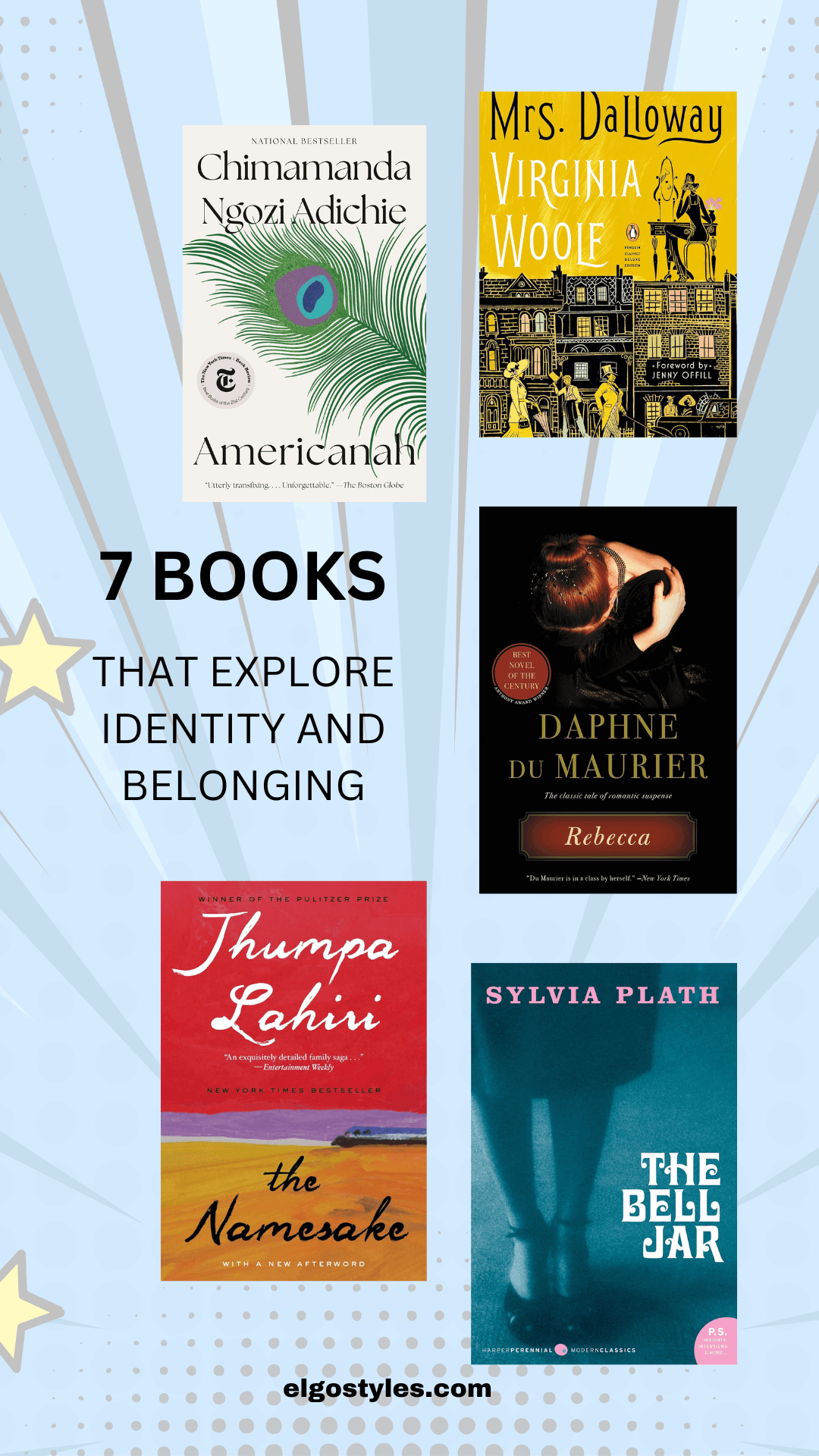
1. Americanah by Chimamanda Ngozi Adichie
Adichie’s novel follows Ifemelu, a Nigerian woman navigating life in America and returning to her homeland. Through her experiences with race, culture, and love, the book explores the constant negotiation of identity in a world that insists on labels. It captures the feeling of being caught between two worlds, belonging fully to neither yet forming a self in the spaces in between.
2. The Remains of the Day by Kazuo Ishiguro
Set in postwar England, this novel tells the story of Stevens, a butler reflecting on a lifetime of service and the choices he made for duty over personal connection. Ishiguro’s prose quietly examines how identity can be constructed around role, tradition, and loyalty, and what it costs when emotion and desire are set aside. The novel shows the tension between who we are and who we think we should be.
3. Mrs Dalloway by Virginia Woolf
Woolf’s masterpiece follows Clarissa Dalloway through a single day in London, weaving memory, social expectation, and inner consciousness. The novel explores belonging on both personal and societal levels, revealing the fragility of identity and the quiet pressures of social performance. Every thought and observation feels both intimate and universal, drawing readers into the subtle complexities of living within and outside societal norms.
4. Rebecca by Daphne du Maurier
Du Maurier’s gothic classic captures the tension between self and other, showing how identity can be overshadowed by memory, expectation, and the presence of others. The unnamed protagonist struggles to define herself within the shadow of Rebecca, the first wife, and the house that embodies her legacy. The novel demonstrates that belonging can be as psychological as it is physical, and that claiming your place requires courage and self-awareness.
5. The Bell Jar by Sylvia Plath
Plath’s semi-autobiographical novel portrays Esther Greenwood’s descent into mental illness while confronting societal expectations of women in the 1950s. Identity here is both fragile and fiercely personal, shaped by pressure, expectation, and the struggle for autonomy. Plath writes with an unflinching intimacy that makes the search for self feel urgent and profoundly human.
6. The Namesake by Jhumpa Lahiri
Lahiri’s novel follows Gogol Ganguli, a first-generation Indian-American grappling with the weight of a name, family history, and cultural expectations. Through his life from childhood to adulthood, the book examines how identity is inherited, chosen, and reshaped over time. Belonging becomes both a negotiation with the past and a personal journey toward acceptance.
7. Never Let Me Go by Kazuo Ishiguro
Ishiguro’s dystopian story reveals identity in a chilling context where human lives are predetermined by societal design. Through the eyes of Kathy, Tommy, and Ruth, the novel explores memory, friendship, and the quiet resistance of personal attachment. Belonging is fragile here, constructed not through freedom but through connection, loyalty, and shared understanding.
Final Thoughts
These books demonstrate that identity and belonging are rarely simple. They show how our lives are shaped by culture, memory, history, and the choices we make within limitations imposed by society and circumstance. Some journeys toward self-understanding are gentle and reflective, others wrenching and full of loss, but all leave an impression that resonates far beyond the final page.
Reading these novels feels like stepping into someone else’s world while holding up a mirror to your own. They remind us that belonging is often messy, identity is complex, and the quest to understand both is one of the most human of endeavors.