The Secret Life of Books Hidden stories. Untold truths. Every book
Banned Book Spotlight: The Giver by Lois Lowry
Why the Book Still Matters Today
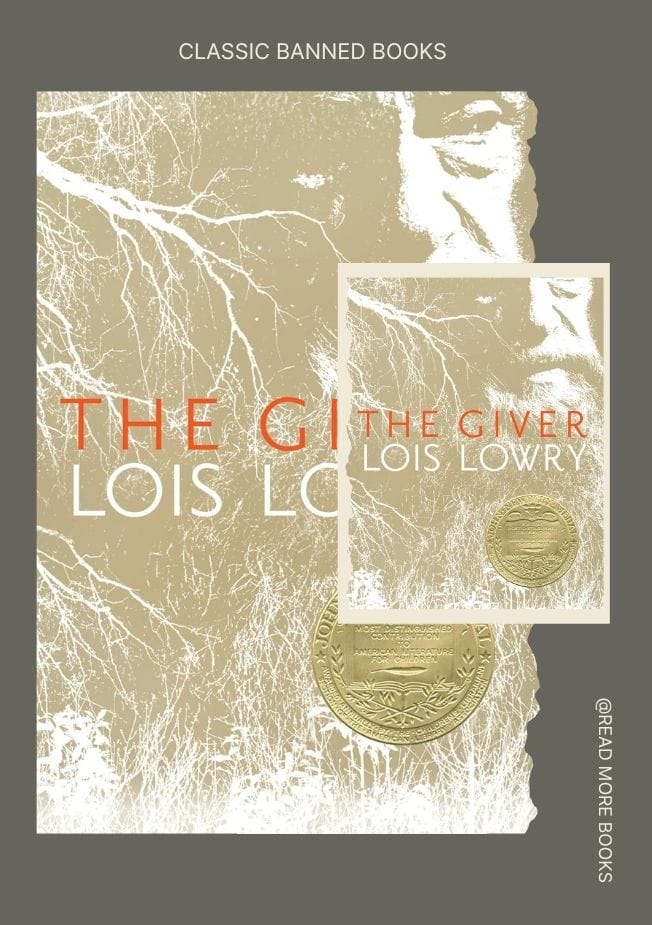
Published in 1993, The Giver presents a seemingly perfect society—one without pain, conflict, or difference. But beneath this controlled “utopia” lies a world stripped of emotion, memory, and true freedom.
Even today, the novel feels deeply relevant in discussions about control, conformity, and the cost of a “perfect” society. It challenges readers to ask: what are we willing to give up for safety and order?
Content and Themes
Behind its calm surface lies profound philosophical depth:
Control vs. freedom – Society eliminates choice to maintain stability.
Memory and humanity – The loss of memory leads to loss of identity and emotion.
Sameness vs. individuality – Differences are erased in the name of equality.
Emotional awakening – Jonas discovers both the beauty and pain of real feeling.
Ethics of perfection – The story questions whether a painless world is truly human.
Its quiet storytelling makes its message even more unsettling.
About the Author: Lois Lowry
Lois Lowry is an American author known for writing thoughtful and emotionally complex stories for young readers. Her works often explore difficult themes such as loss, identity, and moral choice.
With The Giver, she created one of the most influential dystopian novels in modern literature.
Why The Giver Was Banned or Challenged
Despite its literary significance, the book has been frequently challenged due to:
Euthanasia and death themes – The concept of “release” raises ethical concerns.
Sexual awakening – Subtle references to adolescence and emotion.
Violence and emotional intensity – Disturbing revelations about the society.
Philosophical and moral questions – Some view its themes as too complex or controversial for young readers.
Much of the discomfort comes from the ideas it forces readers to confront.
Final Thought
The Giver was challenged not because it is dangerous—but because it is deeply thought-provoking. It asks whether a life without pain is worth living if it also means a life without love, choice, and truth.
Reading it today is more than exploring a dystopian world—it is a reminder that humanity is defined not by perfection, but by the ability to feel, choose, and remember.