The Secret Life of Books Hidden stories. Untold truths. Every book
Banned Book Spotlight: The Da Vinci Code by Dan Brown
Why the Book Still Matters Today
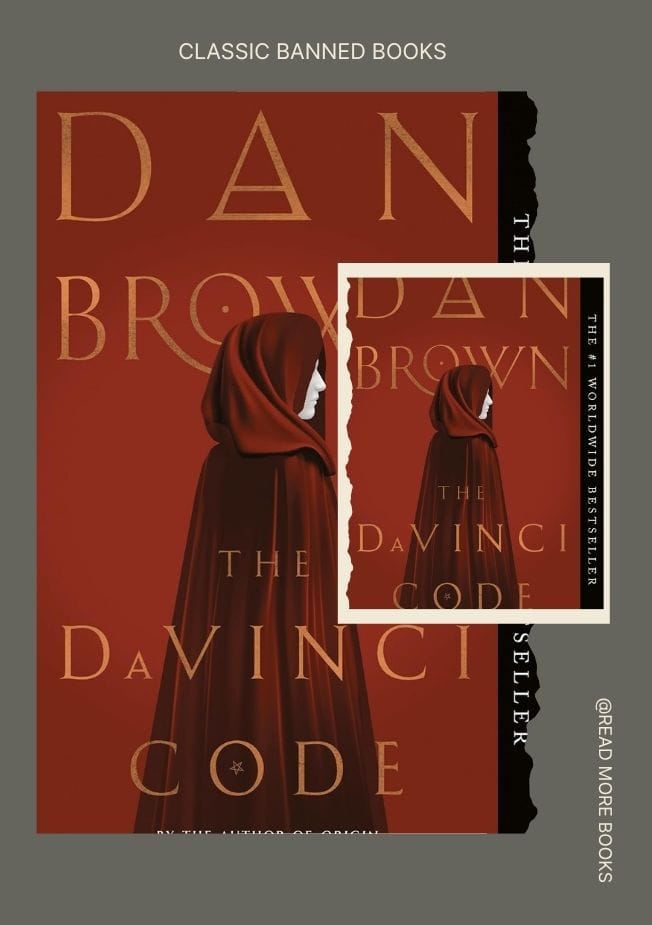
Published in 2003, The Da Vinci Code is a fast-paced thriller that blends art history, religion, symbolism, and conspiracy into a global mystery. Set across Europe—especially France and the United Kingdom—the novel follows a cryptic trail of clues hidden in famous artworks and ancient institutions.
Even today, the book remains widely discussed because it sits at the intersection of storytelling and belief. It challenges readers to question what is historical fact, what is interpretation, and what is accepted as truth.
Content and Themes
Behind its mystery-driven plot lies controversial and thought-provoking material:
Religion and interpretation – The novel explores alternative readings of Christian history.
Secrets and hidden knowledge – Symbols and codes drive the narrative forward.
Faith vs. doubt – Characters constantly question established beliefs.
Power of institutions – Religious and historical organizations are portrayed as gatekeepers of truth.
Art and symbolism – Famous works are reinterpreted through fictional codes and meanings.
Its blend of fact and fiction is what makes it both compelling and debated.
About the Author: Dan Brown
Dan Brown is an American author known for writing bestselling conspiracy thrillers that combine history, science, and symbolism. His fast-paced storytelling style has made his novels global bestsellers and cultural talking points.
The Da Vinci Code is his most famous work, sparking worldwide discussion and controversy.
Why The Da Vinci Code Was Banned or Challenged
The novel has faced bans and criticism in various countries and institutions due to:
Religious controversy – Claims about Christianity and its historical interpretation.
Perceived blasphemy – Some groups viewed its themes as offensive to religious beliefs.
Historical inaccuracies – Critics argue it blends fiction with misleading interpretations of history.
Cultural sensitivity – Concerns about misrepresentation of sacred traditions.
Much of the controversy stems from its fictional reinterpretation of religious history.
Final Thought
The Da Vinci Code was challenged not because it is purely historical—but because it blurs the boundary between belief and fiction. It invites readers to question certainty, rethink symbols, and reconsider how stories shape truth.