The Secret Life of Books Hidden stories. Untold truths. Every book
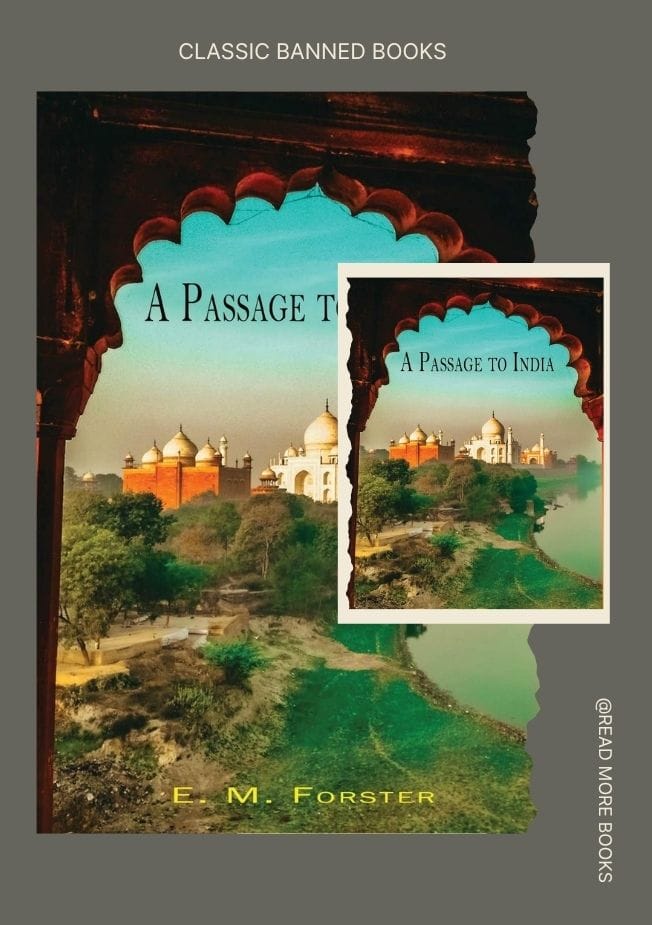
Banned Book Spotlight: A Passage to India by E. M. Forster
Why the Book Still Matters Today
Published in 1924, A Passage to India is a profound exploration of colonial tension, cultural misunderstanding, and human connection. Set during British rule in India, the novel examines the fragile and often strained relationships between Indians and the British.
Even today, it remains deeply relevant as it reflects issues of power, prejudice, and the difficulty of true understanding across cultural divides.
Content and Themes
Beneath its quiet narrative lies powerful social and psychological depth:
Colonialism and power – The imbalance between rulers and the ruled shapes every interaction.
Cultural misunderstanding – Miscommunication and bias lead to conflict and mistrust.
Friendship across divides – Attempts at connection are tested by societal pressures.
Race and identity – Prejudice influences perception and justice.
Truth and ambiguity – The central event remains uncertain, reflecting complexity of reality.
Its subtle storytelling reveals the tension beneath polite society.
About the Author: E. M. Forster
E. M. Forster was an English writer known for his exploration of class, culture, and human relationships. His works often focus on the limitations imposed by social structures and the possibility—yet difficulty—of genuine connection.
A Passage to India is considered one of his greatest works and a key text in postcolonial literature.
Why A Passage to India Was Banned or Challenged
The novel has faced criticism and challenges due to:
Colonial critique – Its portrayal of British rule and imperial attitudes.
Racial and cultural tension – Sensitive depiction of identity and prejudice.
Ambiguous central incident – Interpretations of the key accusation sparked debate.
Political sensitivity – Its themes remain controversial in discussions of history and power.
Most challenges arise from its honest portrayal of uncomfortable realities.
Final Thought
A Passage to India was not challenged because it is unclear—but because it refuses simple answers. It shows that understanding between people is not just about language, but about empathy, openness, and the willingness to confront bias.