 The Secret Life of Books Hidden stories. Untold truths. Every book
Why Adventures of Huckleberry Finn was Banned? Adventures of Huckleberry Finn by Mark Twain is one of the most influential works in American literature, but it has also been …
Read More »Adventures of Huckleberry Finn by Mark Twain
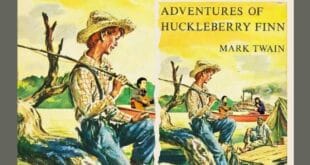
Why Adventures of Huckleberry Finn was Banned? Adventures of Huckleberry Finn by Mark Twain is one of the most influential works in American literature, but it has also been …
Read More »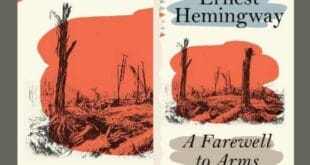
A Farewell to Arms by Ernest Hemingway is a classic war novel that has been frequently challenged and banned for its strong language, sexual content, and themes of war and …
Read More »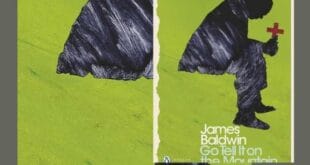
Go Tell It on the Mountain by James Baldwin is a deeply moving and personal novel that has been challenged over the years for its candid depictions of sexuality and …
Read More »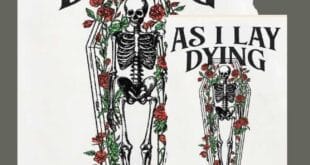
As I Lay Dying by William Faulkner is a classic novel that has been banned and challenged for its dark themes, strong language, and moral questions. The book explores death …
Read More »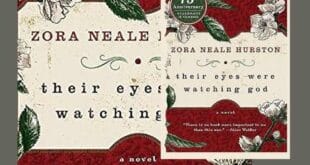
Their Eyes Were Watching God by Zora Neale Hurston is a powerful and poetic novel that has faced challenges and bans over the years. It has been criticized for its …
Read More »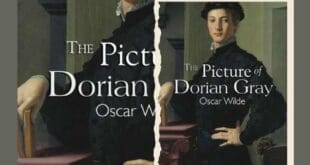
The Picture of Dorian Gray by Oscar Wilde is a classic novel that has often been challenged for its themes of moral corruption, hedonism, and sexuality. When it was first …
Read More »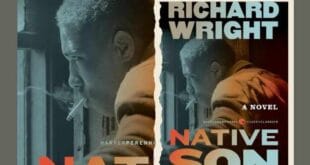
Native Son by Richard Wright has long been a lightning rod for controversy, frequently challenged and banned for its graphic depictions of violence, sexual content, and strong language. Since its …
Read More »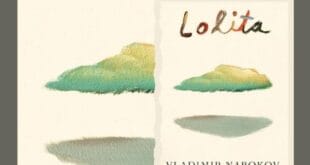
Lolita by Vladimir Nabokov is one of the most controversial and frequently banned books in literary history. First published in 1955, the novel faced immediate backlash for its provocative subject …
Read More »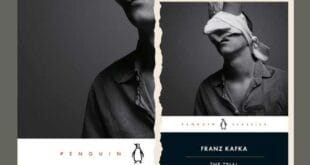
The Trial by Franz Kafka is one of the most profound and unsettling novels of the 20th century, yet it has also faced challenges and bans due to its themes, …
Read More »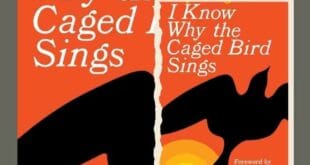
I Know Why the Caged Bird Sings by Maya Angelou is a powerful autobiographical work that has inspired generations of readers, yet it has also faced repeated challenges and bans …
Read More »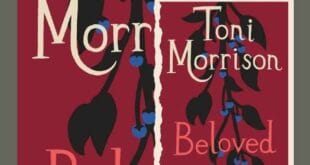
Beloved by Toni Morrison is a critically acclaimed novel that has won both the Pulitzer Prize and a lasting place in American literature. Yet despite its recognition, the book has …
Read More »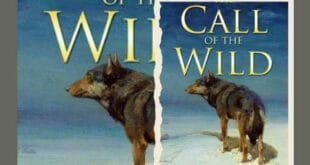
Why The Call of the Wild Was Banned When The Call of the Wild was first published in 1903, it was widely praised as a gripping adventure story. But it …
Read More »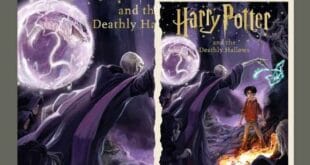
Why the Harry Potter Series Was Banned Since the first book’s release in 1997, the Harry Potter series has become one of the most popular and best-selling in history. But …
Read More »
Why The Country Girls Was Banned When The Country Girls was published in 1960, it caused an uproar in Ireland. The novel’s frank portrayal of female friendship, love, and sexuality …
Read More »
Top Reasons Books Are Banned Books have been banned for centuries, and while the titles may change, the motivations behind censorship are often remarkably similar. Every year, schools and libraries …
Read More »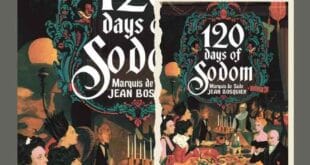
Why The 120 Days of Sodom Was Banned Few books in history have been as notorious as The 120 Days of Sodom. Written in 1785 by the Marquis de Sade …
Read More »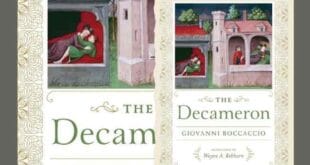
Banned Book Spotlight: The Decameron by Giovanni Boccaccio Why the Book Still Matters Today Written in the 14th century, The Decameron feels shockingly modern. Its stories confront human desire, hypocrisy, …
Read More »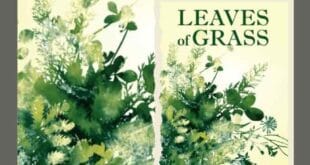
Why Leaves of Grass Was Banned When Walt Whitman first published Leaves of Grass in 1855, it was like nothing American readers had seen before. The poetry was bold, free-flowing, …
Read More »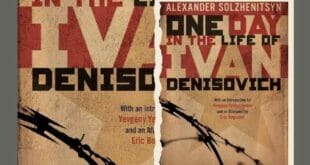
When Aleksandr Solzhenitsyn published One Day in the Life of Ivan Denisovich in 1962, it marked a shocking moment in Soviet literature. For the first time, a novel openly described …
Read More »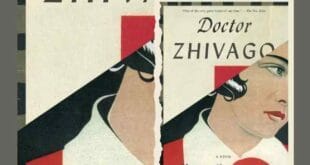
When Doctor Zhivago was first completed in the 1950s, it was immediately banned in the Soviet Union. Authorities objected to its portrayal of the Russian Revolution and the years that …
Read More »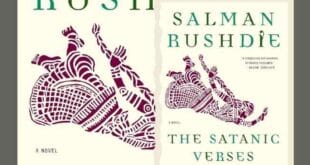
When Salman Rushdie published The Satanic Verses in 1988, it immediately became one of the most controversial books of modern times. The novel was banned in several countries, including India, …
Read More »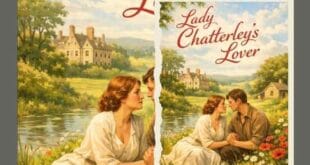
When D.H. Lawrence published Lady Chatterley’s Lover in 1928, it immediately became one of the most controversial novels of the 20th century. The book was banned in multiple countries, including …
Read More »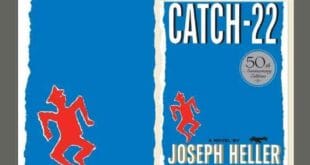
When Joseph Heller’s Catch-22 was published in 1961, it quickly became both celebrated and controversial. The novel, with its biting satire of war and bureaucracy, was banned and challenged in …
Read More »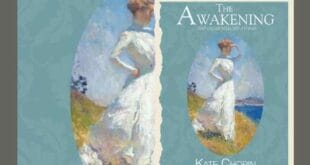
When Kate Chopin’s The Awakening was published in 1899, it was met with immediate outrage. The novel was banned from libraries and dismissed by critics as immoral and scandalous. What …
Read More »
10 Literary Classics That Faced Censorship Throughout history, many literary works that are now considered classics were once tossed aside, banned, or even burned for their content. Whether for challenging …
Read More »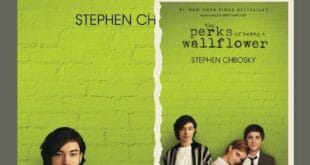
The Perks of Being a Wallflower by Stephen Chbosky About the Author Stephen Chbosky is best known for this novel, his debut, which came out in 1999. The story …
Read More »
5 Banned Classics That Challenge, Confront, and Endure Books have power. They can comfort us. They can inspire us. And sometimes they shake us to the core. The best books …
Read More »
10 Banned Literary Classics You Might Not Know Books have always had the power to disturb, inspire, and question the values of their age, which is why many have been …
Read More »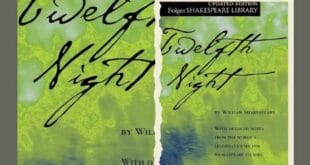
William Shakespeare’s Twelfth Night, first performed around 1602, has long been one of his most beloved comedies. Yet, like many of his works, it has faced challenges and bans at …
Read More »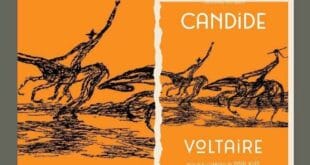
When Candide was first published in 1759, it was banned almost immediately in France and other parts of Europe. The novel’s sharp satire of religion, government, and optimism scandalized authorities …
Read More »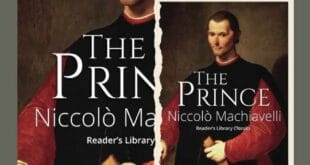
When The Prince was first circulated in the early 16th century, it immediately caused controversy. Machiavelli’s blunt advice on power, politics, and leadership was seen as dangerous, even shocking. Rather …
Read More »
10 Banned Books Everyone Should Read at Least Once Books have always challenged silence. They question comfort, confront injustice, and remind us who we are when the world grows quiet. …
Read More »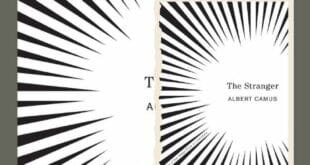
The Stranger by Albert Camus About the Author Albert Camus was a French-Algerian philosopher, novelist, and journalist known for his writings on existentialism and absurdism. His works explore life’s …
Read More »
Which U.S. States Lead in School Book Bans in 2025? In the 2024–2025 school year, three U.S. states stand out for the highest numbers of documented school book bans: Florida, …
Read More »
A Wrinkle in Time by Madeleine L’Engle by Madeleine L’Engle About the Author Madeleine L’Engle was an American author known for blending science, fantasy, and spirituality in her stories. A …
Read More »
The Absolutely True Diary of a Part-Time Indian by Sherman Alexie About the Author Sherman Alexie is a Native American writer whose works often explore identity, culture, hardship, and …
Read More »
Oryx and Crake by Margaret Atwood About the Author Margaret Atwood is a Canadian novelist, poet, and critic, famous for her sharp, speculative works that explore themes like science, …
Read More »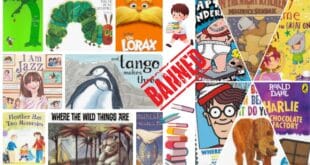
25 Children’s Books You Won’t Believe Were Banned Books open doors to imagination, kindness, and curiosity. We read them to children to help them dream, to laugh, and to …
Read More »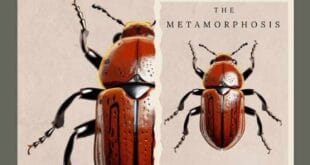
The Metamorphosis by Franz Kafka About the Author Franz Kafka was a German-speaking Bohemian writer whose surreal and haunting stories probe themes of alienation, guilt, and the absurdity of modern …
Read More »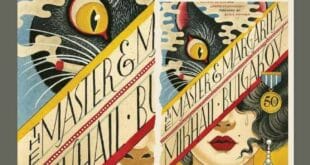
The Master and Margarita by Mikhail Bulgakov About the Author Mikhail Bulgakov was a Russian novelist, playwright, and satirist whose works boldly criticized Soviet society under Stalin’s rule. Known …
Read More »
Banned Books That Changed the World Some books are banned because they are dangerous to power. Not because they are bad, but because they make people think. History shows us …
Read More »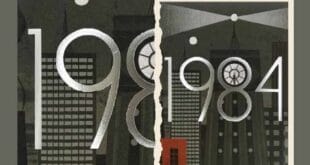
1984 by George Orwell About the Author George Orwell (born Eric Arthur Blair) was an English novelist, essayist, and journalist renowned for his sharp political insight and moral clarity. His …
Read More »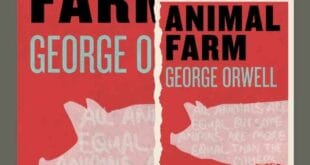
Animal Farm by George Orwell About the Author George Orwell (Eric Arthur Blair) was an English novelist, essayist, and journalist known for his lucid, socially conscious writing. His works often …
Read More »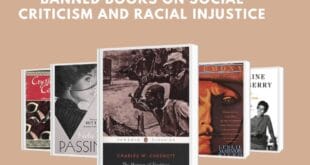
Classic Banned Books on Social Criticism and Racial Injustice Literature has always reflected society. Some writers chose comfort and silence, while others chose truth. Many classic books openly criticized …
Read More »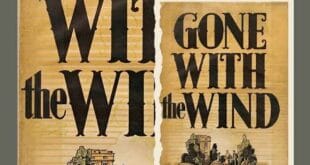
Gone with the Wind by Margaret Mitchell About the Author Margaret Mitchell was an American novelist and journalist, best known for her sweeping historical epic Gone with the Wind. …
Read More »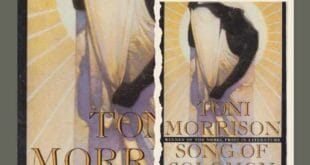
Song of Solomon by Toni Morrison About the Author Toni Morrison was an acclaimed American novelist, editor, and professor, celebrated for her exploration of African American life, history, and identity. …
Read More »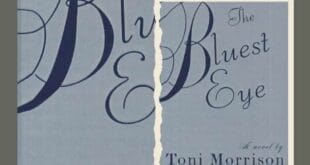
The Bluest Eye by Toni Morrison About the Author Toni Morrison was an influential American novelist, editor, and academic whose work centered on African American experiences, identity, and historical memory. …
Read More »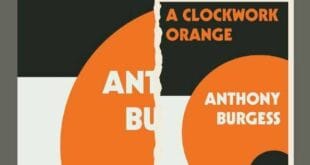
A Clockwork Orange by Anthony Burgess About the Author Anthony Burgess was a British novelist, critic, and composer known for his inventive language and philosophical depth. His work often examined …
Read More »
Political Dissent and Anti Authoritarian Themes in Literature Literature has often been the voice of resistance. When governments demand silence, writers respond with stories. Political dissent in books means questioning …
Read More »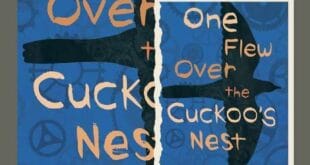
One Flew Over the Cuckoo’s Nest by Ken Kesey About the Author Ken Kesey was an American novelist and countercultural figure best known for his exploration of authority, individuality, and …
Read More »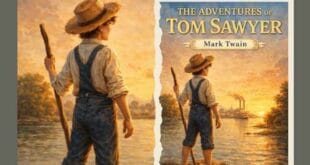
The Adventures of Tom Sawyer by Mark Twain About the Author Mark Twain, born Samuel Langhorne Clemens, was an American novelist, humorist, and social critic whose writing captured the spirit …
Read More »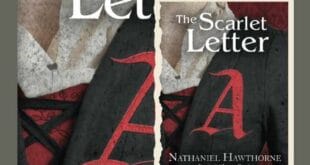
The Scarlet Letter by Nathaniel Hawthorne About the Author Nathaniel Hawthorne was an American novelist and short-story writer known for his deep psychological insight and exploration of moral complexity. Writing …
Read More »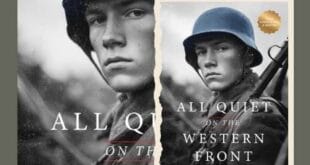
Why All Quiet on the Western Front by Erich Maria Remarque was Banned? About the Author Erich Maria Remarque was a German novelist and World War I veteran whose writing …
Read More »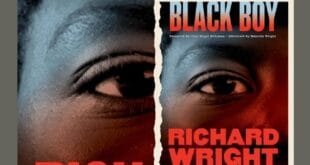
Why Black Boy by Richard Wright was Banned? About the Author Richard Wright was an American novelist, essayist, and social critic whose writing confronted racism, poverty, and violence in 20th-century …
Read More »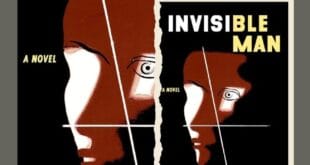
Invisible Man by Ralph Ellison About the Author Ralph Ellison was an American novelist, essayist, and literary critic whose work examined identity, race, and individuality in modern America. Deeply influenced …
Read More »
22 Books Banned in 2026 Why Utah Removed Them From Public School Libraries In January 2026 the state of Utah expanded its statewide school book ban list to a total …
Read More »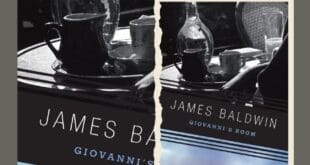
Giovanni’s Room by James Baldwin Why the Book Still Matters Today Published in 1956, Giovanni’s Room remains one of the most courageous novels of the 20th century. At a time …
Read More »
Why WasThe Sun Also Rises Banned? About the Author Ernest Hemingway was an American novelist, journalist, and Nobel Prize–winning writer known for his minimalist prose and exploration of masculinity, loss, …
Read More »
Why Was The Brothers Karamazov banned? About the Author Fyodor Dostoevsky (1821–1881) is one of Russia’s greatest novelists, renowned for his intense psychological insight and philosophical explorations of faith, guilt, …
Read More »
Why Was For Whom the Bell Tolls Banned? When Ernest Hemingway published For Whom the Bell Tolls in 1940, it quickly became both celebrated and controversial. The novel was challenged …
Read More »
Why “Animal Farm” Hurts More Because It’s Simple A Simple Story With Dangerous Power George Orwell’s Animal Farm looks like a children’s fable, but its simplicity is exactly why it …
Read More »
The Political Terror of “1984″ Orwell’s Warning About Totalitarian Control George Orwell’s 1984, published in 1949, depicts a society under absolute surveillance and authoritarian control. The novel shocked readers and …
Read More »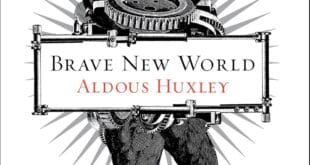
Why “Brave New World” Was Seen as Immoral Aldous Huxley’s Warning About Society Aldous Huxley’s Brave New World, published in 1932, presents a future society where happiness is enforced through …
Read More »
Why “The Stranger” Shocked Moral Thinkers Camus and the Birth of Absurdism Albert Camus’s The Stranger, published in 1942, introduced readers to a radically different perspective on life, morality, and …
Read More »
Why “The Trial” Frightened Systems of Power Kafka’s Vision of Oppressive Bureaucracy Franz Kafka’s The Trial portrays a world where individuals are ensnared in opaque legal and bureaucratic systems that …
Read More »
Why “The Yellow Wallpaper” Was Suppressed A Story That Touched a Nerve When Charlotte Perkins Gilman published The Yellow Wallpaper in 1892, it was not meant to shock for shock’s …
Read More »
Why “The Picture of Dorian Gray” Outraged Victorians When Oscar Wilde published The Picture of Dorian Gray in 1890, it caused immediate scandal. Critics called it immoral, corrupting, and dangerous. …
Read More »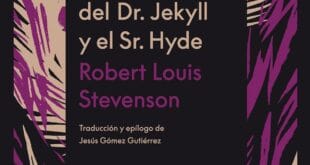
Why “Dr. Jekyll and Mr. Hyde” Was Seen as Dangerous Robert Louis Stevenson’s Strange Case of Dr Jekyll and Mr Hyde, published in 1886, is often celebrated as a gripping …
Read More »
Why “Uncle Tom’s Cabin” Risked Everything When Harriet Beecher Stowe published Uncle Tom’s Cabin in 1852, the novel immediately ignited controversy. It was more than a story about slavery; it …
Read More »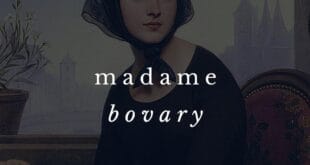
Why “Madame Bovary” Was Put on Trial When Gustave Flaubert’s Madame Bovary was published in 1857, it immediately caused outrage. The novel was shocking not for its style, but for …
Read More »
Why “The Scarlet Letter” Shocked Puritan Society When The Scarlet Letter was published in 1850, it unsettled readers not because of violence or rebellion, but because it dared to question …
Read More »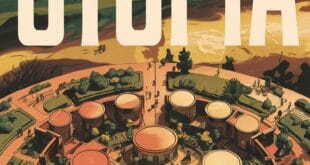
Why “Utopia” Was Never Meant to Be Comfortable Utopia is often misunderstood as a dream of a perfect world. Many readers expect comfort, happiness, and harmony when they open Thomas …
Read More »
Why “The Prince” Terrified Rulers The Prince is a short book but its impact was powerful and frightening. Written by Niccolò Machiavelli in the early sixteenth century it became one …
Read More »
What Books Are Banned in 2025? Book banning has become one of the most debated issues in 2025. Across the United States, thousands of titles have been pulled from classrooms …
Read More »
10 Banned Classics You Need to Read During Banned Books Week 2025 Books are more than stories. They are voices, memories, and struggles from across time. Yet not all books …
Read More »