 The Secret Life of Books Hidden stories. Untold truths. Every book
Why “Love in the Time of Cholera” Is About Waiting Patience as a Form of Love Gabriel García Márquez’s Love in the Time of Cholera portrays love not as immediate …
Read More »Why “Love in the Time of Cholera” Is About Waiting

Why “Love in the Time of Cholera” Is About Waiting Patience as a Form of Love Gabriel García Márquez’s Love in the Time of Cholera portrays love not as immediate …
Read More »
What “Death of a Salesman” Says About Success Redefining Success Arthur Miller’s Death of a Salesman challenges conventional ideas of success. Willy Loman, the protagonist, believes that being well liked …
Read More »
Why “Rebecca” Is About Psychological Control The Power of Fear and Insecurity Daphne du Maurier’s Rebecca is often remembered as a gothic romance, but at its core, it is a …
Read More »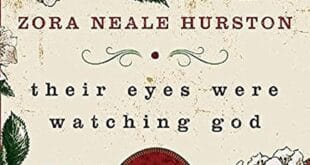
Why “Their Eyes Were Watching God” Is About Voice Finding a Voice in a World That Silences Zora Neale Hurston’s Their Eyes Were Watching God is often read as a …
Read More »
Why “For Whom the Bell Tolls” Treats Death Honestly Hemingway’s Experience of War Ernest Hemingway’s personal experiences shaped For Whom the Bell Tolls. He worked as an ambulance driver in …
Read More »
Why “The Great Gatsby” Is About Illusion and Loss Dreams That Shine Bright but Fade F. Scott Fitzgerald’s The Great Gatsby tells the story of Jay Gatsby, a man who …
Read More »
Why “The Sorrows of Young Werther” Sparked Real Tragedy Goethe’s Reflection on Intense Emotion Johann Wolfgang von Goethe’s The Sorrows of Young Werther captures the overwhelming intensity of youthful emotion. …
Read More »
Why “The Red and the Black” Is About Ambition Julien Sorel: A Man Driven by Desire Stendhal’s The Red and the Black follows Julien Sorel, a young man from a …
Read More »
What “Germinal” Reveals About Anger and Injustice Émile Zola’s Germinal is often read as a novel about labor strikes and class struggle, but at its core, it is a powerful …
Read More »
Why “The Brothers Karamazov” Is a Trial of Faith Fyodor Dostoevsky’s The Brothers Karamazov is celebrated as a profound exploration of morality, faith, and human nature. Beneath the surface of …
Read More »
Why “The Hunchback of Notre-Dame” Is About Society’s Cruelty Victor Hugo’s The Hunchback of Notre-Dame is often remembered for its sweeping romance, Gothic architecture, and tragic hero Quasimodo. Yet beyond …
Read More »
Why “The Count of Monte Cristo” Is a Study in Psychological Revenge Alexandre Dumas’ The Count of Monte Cristo is often remembered as a thrilling adventure of treasure, escape, and …
Read More »
“Emma” and the Human Truth of Self-Deception At first glance, Emma feels like one of Jane Austen’s lightest novels. It is witty, social, and full of misunderstandings that often end …
Read More »
Why “Sense and Sensibility” Is About Emotional Survival Sense and Sensibility is often described as a polite romance about manners, marriage, and social class. On the surface, it appears gentle …
Read More »
Why “Pride and Prejudice” Is About Economics Not Romance Pride and Prejudice is often remembered as a love story. Readers think of Elizabeth Bennet and Mr Darcy romance witty conversations …
Read More »