The Secret Life of Books Hidden stories. Untold truths. Every book
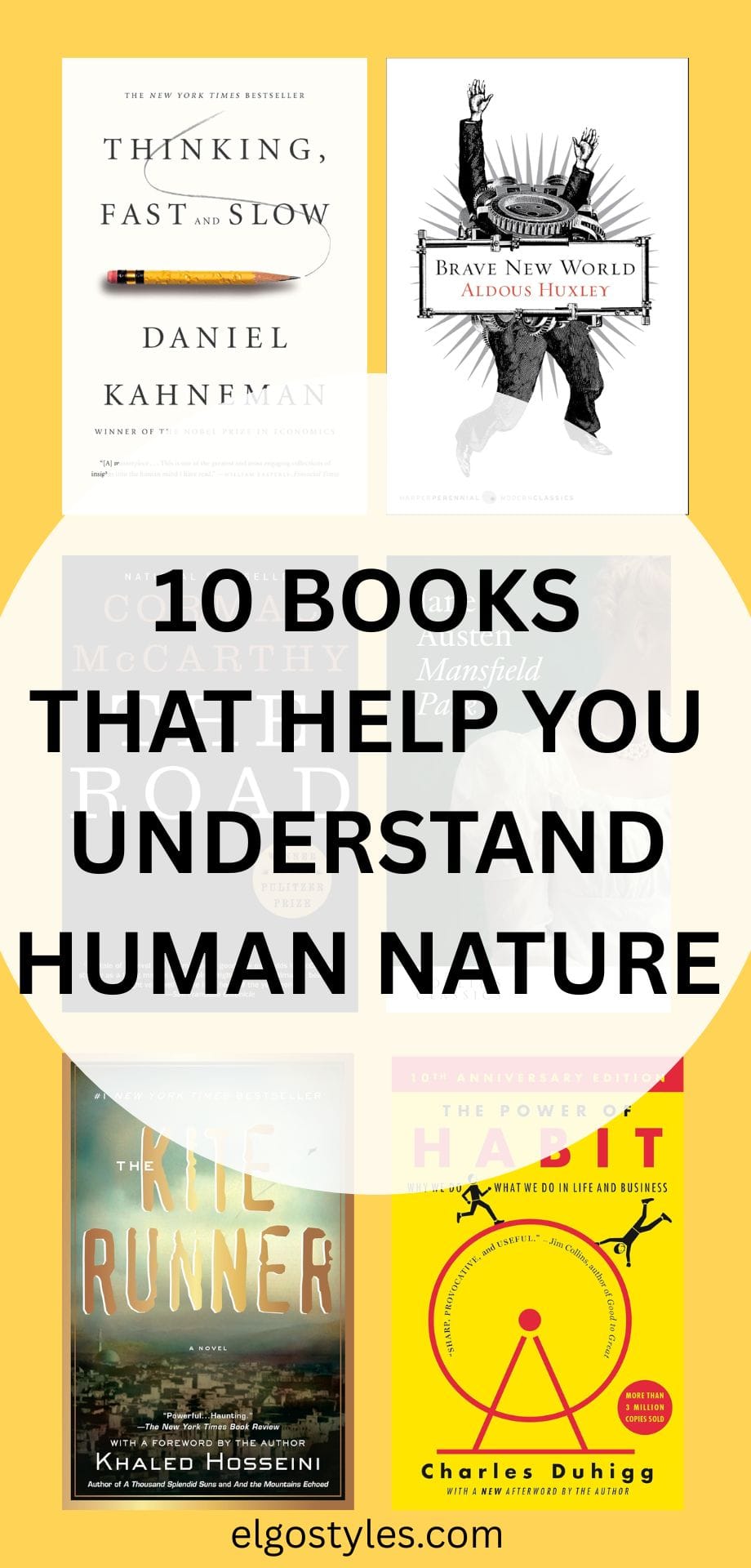
Ten Books That Help You Understand Human Nature
Some books go beyond telling stories or recording events. They examine what it means to be human, exploring our desires, fears, choices, and the complex forces that drive our behavior. They shine a light on our inner world, on the ways we relate to each other, and on the moral and psychological challenges we face in every era. Reading these books is not just an intellectual exercise. It is a journey into empathy, self-reflection, and the understanding of the forces that shape our lives.
The following ten books approach human nature from different angles. Some reveal the patterns that govern societies. Others probe individual morality, habit, or suffering. Some immerse you in philosophical inquiry while others confront the raw realities of life. Together they offer a panoramic view of what it means to be human, encouraging readers to see themselves and the world with sharper clarity and compassion.
1. Sapiens by Yuval Noah Harari
Harari’s exploration of the history of humankind is both sweeping and deeply reflective. He traces the evolution of Homo sapiens from small bands of hunter gatherers to complex societies capable of art, science, and war. The book examines how culture, belief, and cooperation shape human behavior and influence every aspect of our lives. Reading Sapiens encourages reflection on why we act the way we do and how collective ideas guide both progress and conflict.
2. Man’s Search for Meaning by Viktor Frankl
Frankl’s memoir and psychological study of life in Nazi concentration camps is a profound meditation on the human will. Through suffering and unimaginable loss, he demonstrates how the search for meaning can sustain life and influence choices. The book illuminates resilience, moral courage, and the ability to find purpose in even the darkest circumstances, offering timeless insight into the human spirit.
3. Thinking, Fast and Slow by Daniel Kahneman
Kahneman examines the dual processes of thought that govern human behavior: the intuitive fast thinking that drives snap judgments and the deliberate slow thinking that allows reasoning. The book exposes the biases, errors, and patterns that shape our decisions, revealing why humans often act against their own best interests and how awareness can lead to better understanding of ourselves and others.
4. The Road by Cormac McCarthy
McCarthy’s post-apocalyptic novel is stripped to its bare essentials, showing humanity at its most vulnerable and enduring. Through a father and son journeying across a devastated landscape, the novel explores morality, love, survival, and the choices we make when civilization collapses. It is a stark, haunting reflection on what sustains us and what defines our humanity.
5. Brave New World by Aldous Huxley
Huxley’s dystopian vision examines a society engineered for comfort, conformity, and control. The novel asks fundamental questions about freedom, desire, and the nature of happiness. By presenting a world where human instincts are manipulated, Huxley forces readers to consider how culture, conditioning, and power shape identity and behavior.
6. Crime and Punishment by Fyodor Dostoevsky
Dostoevsky’s exploration of guilt, morality, and conscience follows Raskolnikov, a man who believes he can commit murder without consequence. The novel delves deeply into the psychology of crime and punishment, showing how pride, rationalization, and empathy collide within human nature. It is a timeless investigation of ethics, suffering, and redemption.
7. The Stranger by Albert Camus
Camus presents a protagonist detached from societal norms who reacts to life with indifference and honesty. The Stranger examines existentialism, absurdity, and the human confrontation with mortality. It challenges readers to reflect on meaning, detachment, and how society shapes our perception of right and wrong.
8. The Power of Habit by Charles Duhigg
Duhigg explores how habits govern our daily actions and shape our personalities. The book demonstrates the patterns that drive behavior and how awareness and deliberate change can transform lives. It offers insight into both individual and collective human behavior, showing that understanding our habits is key to understanding ourselves.
9. Mansfield Park by Jane Austen
Austen’s novel examines morality, social expectation, and personal integrity in early nineteenth-century England. Through the character of Fanny Price, it explores the subtle dynamics of influence, power, and choice within human relationships. Reexamining the novel reveals the complexities of conscience, loyalty, and self-awareness in everyday life.
10. The Kite Runner by Khaled Hosseini
Hosseini’s story of friendship, betrayal, and redemption in Afghanistan spans decades of political upheaval and personal struggle. It reveals how guilt, love, and memory shape human behavior. The novel illuminates both the capacity for cruelty and the power of empathy, showing the ways our actions ripple through lives and history.
Final Thoughts
These ten books provide windows into human nature in all its complexity. They explore morality, habit, desire, fear, resilience, and the choices that define us. Some confront history and society, others probe the inner workings of the mind or the heart. Together they remind us that understanding human nature is not a simple task. It requires reflection, empathy, and an awareness of both our strengths and our flaws.
Reading these books is not just an intellectual exercise. It is a journey into the core of what makes us human. They encourage us to observe, question, and understand both ourselves and others. They linger long after the last page because the truths they reveal are timeless, universal, and essential to the experience of life.