The Secret Life of Books Hidden stories. Untold truths. Every book
Why “Dead Souls” Is a Comedy of Corruption
Gogol’s Satire of Society
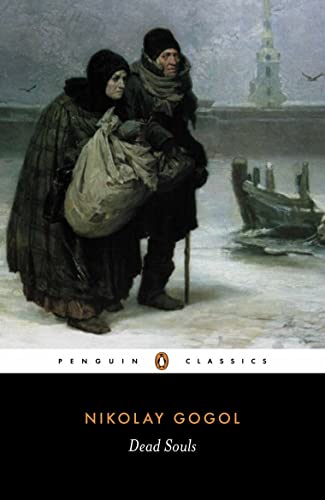
Nikolai Gogol’s Dead Souls is often seen as a humorous tale, but beneath its wit lies a sharp critique of moral decay and corruption in 19th-century Russian society. The novel follows Chichikov, a man who buys the names of deceased serfs to exploit the system, exposing the greed, hypocrisy, and absurdity of the social hierarchy.
Humor as a Tool for Truth
Gogol uses comedy to make serious truths more accessible. The ridiculousness of Chichikov’s schemes and the eccentricity of provincial landowners reveal deeper flaws in human character. Humor allows readers to confront corruption without being repelled by harsh moralizing, making the critique more effective and enduring.
Symbolism of Dead Souls
The “dead souls” Chichikov purchases are not just legal fictions—they symbolize moral emptiness. Landowners care more about wealth and status than justice or human decency. Gogol shows that corruption is not only systemic but internalized; society functions on greed, deceit, and self interest, and these “dead souls” reflect the ethical void at the heart of human behavior.
Psychological Layers
Beyond social critique, Dead Souls explores human folly, ambition, and vanity. Characters’ actions are driven by selfish desires, fear of shame, and obsession with appearances. Gogol exposes the psychology behind corruption, showing how societal pressures amplify moral weakness and absurdity.
Philosophy and Moral Reflection
Through satire, Gogol invites readers to reflect on ethics and human responsibility. The comedy exposes not just individual corruption but collective complicity. By laughing at the absurdity, readers are prompted to recognize similar tendencies in themselves and society, making the novel philosophically resonant.
Why the Novel Endures
Dead Souls remains relevant because it captures timeless truths about greed, vanity, and moral decay. Gogol’s blend of humor, psychology, and social observation ensures that his critique of corruption continues to resonate, offering both entertainment and insight into human nature.
In the end, Gogol’s masterpiece is more than a comedic tale; it is a mirror showing society’s corruption, human folly, and the moral emptiness that persists beneath laughter.
| Get Book on Amazon |