The Secret Life of Books Hidden stories. Untold truths. Every book
Why “The Picture of Dorian Gray” Outraged Victorians
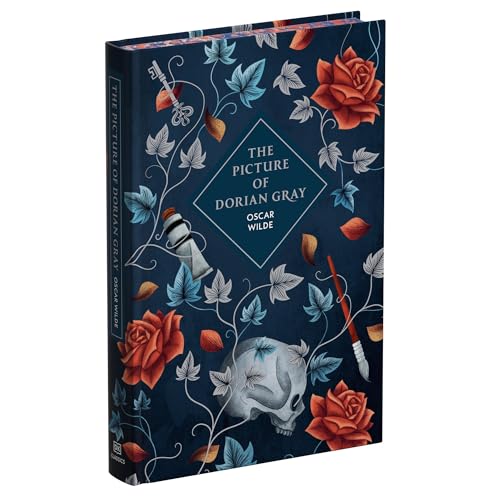
When Oscar Wilde published The Picture of Dorian Gray in 1890, it caused immediate scandal. Critics called it immoral, corrupting, and dangerous. Some demanded it be censored, others accused Wilde of promoting vice and decadence. The outrage was not just about the story itself, but about what it exposed beneath Victorian respectability.
A society obsessed with morality
Victorian England placed enormous value on outward virtue. Respectability, self-control, and moral conformity were social expectations, especially in art and literature. Novels were meant to instruct, uplift, and reinforce accepted values.
The Picture of Dorian Gray did the opposite. It presented a beautiful young man who commits cruel and immoral acts while remaining outwardly pure. There is no immediate punishment, no moral reassurance. This deeply unsettled a society that believed morality should be visible and virtue rewarded.
The fear of hidden corruption
The novel suggested that evil could exist behind a flawless appearance. Dorian’s unchanging beauty while his portrait decays symbolized the hidden rot beneath social masks. For Victorians, this idea was terrifying. It implied that corruption could thrive undetected within polite society.
The book challenged the belief that moral character could be judged by appearance, class, or manners. It exposed hypocrisy and suggested that repression does not eliminate desire, it merely hides it.
Art without moral instruction
One of the most controversial aspects of the novel was Wilde’s belief that art did not exist to teach morality. The book famously refuses to tell readers how to judge Dorian. Instead, it forces them to sit with ambiguity, temptation, and moral discomfort.
Victorian critics accused the novel of glorifying sin because it did not openly condemn it. The idea that art could exist for beauty, exploration, and provocation rather than moral guidance was seen as a threat to social order.
Moral panic and censorship
Reviews of the novel were harsh and public. Some publications refused to print it in full. Others demanded changes. Wilde revised later editions, adding moral commentary and softening certain passages, but the damage was done.
The outrage followed Wilde himself. The novel was later used against him during his trials, cited as evidence of moral corruption. Literature became a weapon, and fear turned into punishment.
Why it still matters
The Picture of Dorian Gray remains controversial because it confronts uncomfortable truths. It asks whether morality is internal or performative. It questions whether society creates monsters by repressing desire rather than understanding it.
The novel outraged Victorians because it refused to lie. It showed that beauty can hide cruelty, that pleasure can coexist with guilt, and that appearances are often the most dangerous illusions of all.
What once shocked readers now reveals how deeply threatened society becomes when art exposes what it prefers to keep hidden.
| Get Book on Amazon |