The Secret Life of Books Hidden stories. Untold truths. Every book
Why “The Yellow Wallpaper” Was Suppressed
A Story That Touched a Nerve
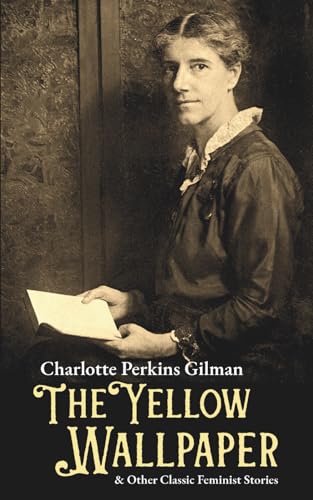
When Charlotte Perkins Gilman published The Yellow Wallpaper in 1892, it was not meant to shock for shock’s sake. It was meant to tell the truth. That truth, however, made many readers deeply uncomfortable. The story challenged medical authority, exposed the psychological damage done to women, and questioned the power structures of marriage and science. For these reasons, it was quietly pushed aside rather than openly debated.
Challenging Male Medical Authority
At the center of the story is the rest cure, a real medical treatment prescribed to women diagnosed with hysteria or nervous disorders. Gilman herself had undergone this treatment under a famous physician. It involved isolation, forced inactivity, and obedience. By showing how this cure drives the narrator into mental collapse, the story directly criticized respected doctors and medical practices. This was seen as dangerous, especially in a society that treated medical authority as unquestionable.
A Threat to Domestic Ideals
Victorian culture idealized women as calm, obedient, and fulfilled by domestic life. The Yellow Wallpaper presents the home not as a place of healing but as a prison. Marriage becomes a system of control rather than protection. This reversal unsettled readers who believed social stability depended on women accepting their prescribed roles.
Mental Illness Shown from the Inside
Most literature of the time portrayed madness from the outside, often as something frightening or shameful. Gilman did the opposite. She placed readers inside the mind of a woman losing herself. The story forces empathy rather than judgment. This psychological intimacy made the subject harder to dismiss and more disturbing to those who preferred silence around mental health.
Moral Panic Around Female Independence
The narrator’s breakdown is closely tied to her inability to write, think, or speak freely. Her eventual rebellion, even though tragic, is an act of resistance. This frightened critics who worried that such stories would encourage women to question their husbands, doctors, and social roles. The fear was not just about madness, but about independence.
Quiet Suppression Instead of Formal Bans
The Yellow Wallpaper was rarely officially banned. Instead, it was excluded from anthologies, dismissed as unhealthy, or criticized as exaggerated and dangerous. Some doctors claimed it would discourage patients from trusting medical advice. This form of suppression was subtle but effective, keeping the story out of classrooms and public discussion for decades.
Why the Story Endured
Over time, what once seemed threatening became essential. The story is now read as an early feminist and psychological text that exposed the harm of silencing women’s experiences. Its suppression reveals how deeply society feared challenges to authority, especially when those challenges came from a woman’s inner voice.
The Yellow Wallpaper was suppressed because it told the truth too clearly. It showed that obedience can destroy, silence can break the mind, and control can be more dangerous than illness itself.
| Get Book on Amazon |