The Secret Life of Books Hidden stories. Untold truths. Every book
Why “Les Misérables” Believes Kindness Is Revolutionary
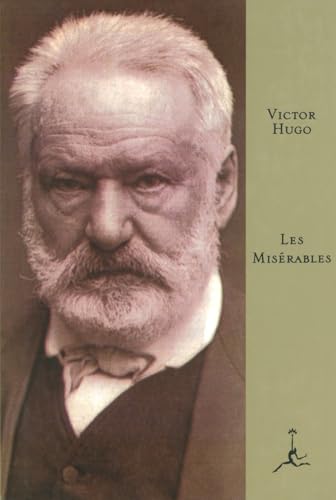
Victor Hugo’s Life and Moral Vision
Victor Hugo’s belief in kindness as a radical force came directly from his life. Born in 1802, Hugo witnessed poverty, injustice, political violence, and exile. He lived through revolutions, saw governments rise and fall, and experienced both privilege and persecution. These experiences shaped his conviction that social systems often fail the poor and powerless, and that true change begins with human compassion rather than laws or punishment.
Why Hugo Wrote Les Misérables
Hugo did not write Les Misérables simply to tell a story. He wanted to expose social cruelty and moral blindness. The novel was his response to a society that punished poverty, criminalized survival, and ignored human dignity. By placing kindness at the center of the narrative, Hugo argued that compassion is not weakness but a revolutionary act that challenges unjust systems.
The Bishop and the Power of Mercy
The turning point of the novel comes when Bishop Myriel shows mercy to Jean Valjean instead of punishment. This single act of kindness transforms Valjean’s life. Hugo presents mercy as more powerful than law, showing how compassion can break cycles of violence, shame, and resentment. The bishop’s action is quiet, but its impact is radical.
Personal History in Jean Valjean
Jean Valjean reflects Hugo’s belief that people are not defined by their worst moments. Hugo had seen how prisons destroyed lives and how society refused second chances. Through Valjean, he shows that kindness can restore dignity and awaken moral responsibility. Valjean’s lifelong commitment to helping others is born from one merciful act.
Kindness as Resistance
In Les Misérables, kindness often stands in opposition to authority. Characters like Javert represent rigid systems that value law over humanity. Hugo challenges this worldview by showing that moral goodness cannot be enforced through fear. Kindness becomes an act of resistance against injustice, cruelty, and dehumanization.
The Revolutionary Spirit of Compassion
The novel is filled with political unrest, barricades, and rebellion, yet Hugo suggests that the deepest revolution happens within the human heart. While political change is important, he argues that lasting transformation requires empathy, forgiveness, and moral courage. Kindness, in this sense, is revolutionary because it reshapes both individuals and society.
Why the Message Endures
Les Misérables endures because its message remains urgent. Hugo reminds readers that systems may change slowly, but individual acts of compassion can transform lives immediately. The novel insists that kindness is not passive. It is a powerful force capable of challenging injustice and rebuilding humanity.
In the end, Hugo’s masterpiece argues that kindness is not sentimental or naive. It is revolutionary because it confronts cruelty, restores dignity, and dares to believe in human redemption.
| Get Book on Amazon |