The Secret Life of Books Hidden stories. Untold truths. Every book
Why “Dr. Jekyll and Mr. Hyde” Was Seen as Dangerous
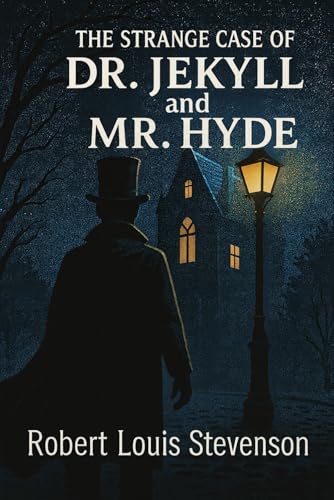
Robert Louis Stevenson’s Strange Case of Dr Jekyll and Mr Hyde, published in 1886, is often celebrated as a gripping tale of duality and suspense. Yet when it appeared, many critics and readers viewed it as morally unsettling and socially dangerous. The novella exposed the darker side of human nature, forcing society to confront the possibility that evil could exist within everyone, including the respectable and educated.
Victorian society and moral panic
Victorian England was a time of strict social codes, moral expectations, and an obsession with outward respectability. Literature was expected to uphold virtue, not challenge it. Dr Jekyll and Mr Hyde broke this unspoken rule by portraying the coexistence of good and evil within a single individual, undermining the comforting idea that morality was absolute.
The novella also included elements of violence, fear, and transgression that made readers uncomfortable. Hyde’s criminal acts and Jekyll’s experiments suggested that societal norms could be fragile and that science and curiosity might unleash uncontrollable consequences.
Stevenson’s personal context
Robert Louis Stevenson was a Scottish writer and essayist with an interest in human psychology and morality. He was fascinated by the contrasts in human behavior—how genteel individuals could harbor secret desires and impulses.
Stevenson’s own life was marked by illness and a fascination with mortality, which may have influenced his exploration of inner conflict, repression, and the darker sides of ambition and curiosity.
Why the book was controversial
The story’s duality challenged Victorian ideals. It suggested that even seemingly moral people could commit horrific acts if driven by hidden desires. This idea terrified a society that prized social order and outward propriety.
Additionally, the novella’s themes of scientific experimentation and transformation played into fears about the limits of human knowledge and morality. Could man tamper with nature without unleashing chaos? Could hidden impulses overcome civilized behavior? These questions made the story both thrilling and threatening.
Cultural impact and enduring relevance
Despite—or because of—the controversy, Dr Jekyll and Mr Hyde became a cultural phenomenon. It inspired debates about morality, psychology, and the dangers of repressing human desires. The novella’s portrayal of duality remains relevant, echoing in modern discussions of identity, ethics, and the complexity of human nature.
Stevenson risked societal disapproval to reveal uncomfortable truths about human behavior. His story shows how literature can provoke moral reflection, challenge social norms, and confront the shadow side of humanity.
Why it still matters
Dr Jekyll and Mr Hyde endures because it forces readers to question the nature of good and evil. The novella’s depiction of inner conflict, moral ambiguity, and the dangers of repression continues to resonate, proving that the most frightening monsters are often human.
Stevenson’s work reminds us that confronting the darker aspects of ourselves can be unsettling—but it is necessary for understanding human nature.
| Get Book on Amazon |