The Secret Life of Books Hidden stories. Untold truths. Every book
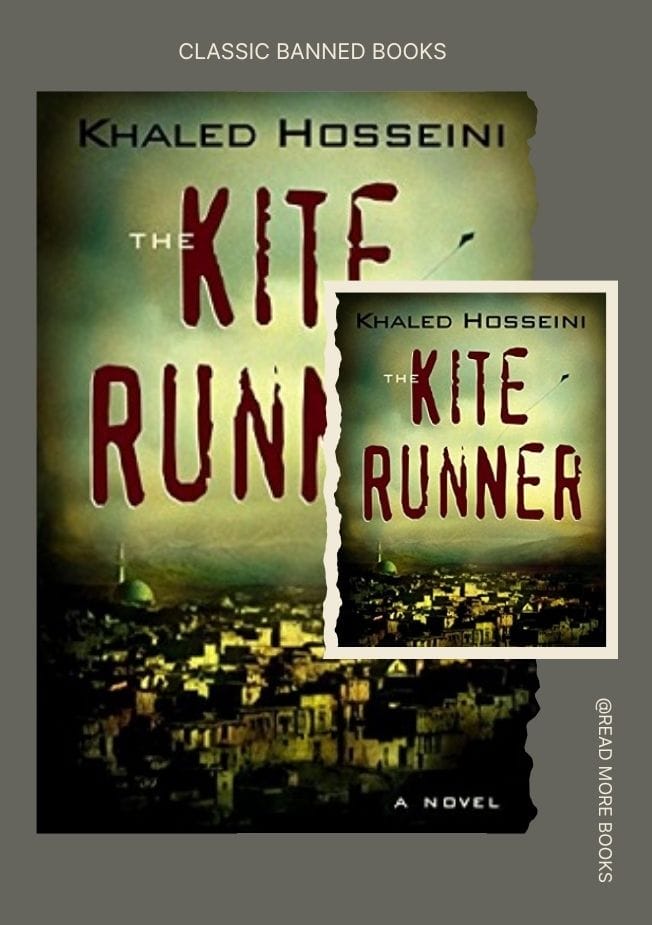
Banned Book Spotlight: The Kite Runner by Khaled Hosseini
Why the Book Still Matters Today
Published in 2003, The Kite Runner feels painfully relevant even today. Set against the turbulent history of Afghanistan, the novel explores friendship, betrayal, guilt, and redemption—universal emotions that transcend borders and time.
In a world still marked by war, displacement, and social division, The Kite Runner reminds readers of the human cost behind headlines. It shows how personal choices echo across years, and how the past is never truly left behind.
✦ Content and Themes
Beneath its deeply emotional narrative, the novel carries powerful and often unsettling themes:
Friendship and betrayal – The bond between Amir and Hassan is both beautiful and tragic, shaped by loyalty and silence.
Guilt and redemption – The story asks whether it is ever too late to make things right.
Social inequality – Ethnic tension between Pashtuns and Hazaras exposes deep-rooted injustice.
War and displacement – The transformation of Afghanistan reflects the loss of home and identity.
Silence vs. truth – The consequences of unspoken truths haunt generations.
Its emotional honesty and moral complexity challenge readers to confront uncomfortable realities about themselves and society.
✦ About the Author: Khaled Hosseini
Khaled Hosseini, born in Kabul, is a physician-turned-writer whose works center on Afghan lives and experiences. Through novels like The Kite Runner, he brought global attention to Afghanistan’s history—not through politics alone, but through deeply personal stories.
His storytelling blends cultural depth with universal emotion, making distant struggles feel intimate and real.
✦ Why The Kite Runner Was Banned
Despite its global acclaim, the book has faced bans and challenges in schools and communities due to:
Explicit and disturbing scenes – Particularly a traumatic assault that some consider unsuitable for younger readers.
Sexual violence and mature content – Difficult themes that provoke discomfort and debate.
Political sensitivity – Its portrayal of Afghan society and history has been seen as controversial.
Challenging cultural norms – Honest depictions of injustice, abuse, and moral failure unsettle conservative audiences.
Authorities and institutions often restrict it not because it lacks value—but because it forces readers to confront painful truths.
✦ Final Thought
The Kite Runner was challenged not for being dangerous—but for being deeply honest. It strips away illusions and reveals the weight of choices, the scars of silence, and the possibility of redemption.
Reading it today is more than revisiting a modern classic—it’s an act of empathy, courage, and remembering that even in broken worlds, there is “a way to be good again.”