Why “Les Misérables” Believes Kindness Is Revolutionary Victor Hugo’s Life and Moral Vision Victor Hugo’s belief in kindness as a radical force came directly from his life. Born in 1802, Hugo witnessed poverty, injustice, political violence, and exile. He lived through revolutions, saw governments rise and fall, and experienced both …
Read More »The Slow Tragedy Inside “Madame Bovary”
The Slow Tragedy Inside “Madame Bovary” Gustave Flaubert’s Personal Insight Gustave Flaubert drew heavily from his own observations of provincial life when writing Madame Bovary. Born in 1821 in Rouen, France, Flaubert witnessed the quiet frustrations, ambitions, and moral hypocrisies of middle-class society. His keen eye for human behavior allowed …
Read More »Why “Great Expectations” Is About Shame, Not Success
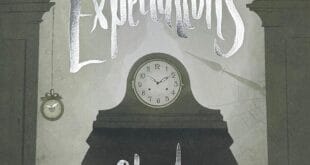
Why “Great Expectations” Is About Shame, Not Success Dickens’ Own Experiences of Shame Charles Dickens drew heavily from his own difficult childhood when writing Great Expectations. Born in 1812, Dickens experienced poverty, family instability, and the humiliation of working in a blacking factory as a child while his father was …
Read More »Why Moby-Dick Is Really About Obsession, Not Whales
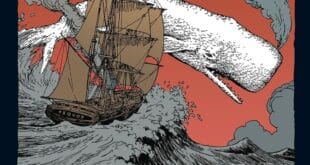
Why “Moby-Dick” Is Really About Obsession, Not Whales Herman Melville’s Life and Early Struggles Herman Melville drew heavily from his own experiences at sea. Born in 1819, he faced financial hardship, family loss, and personal uncertainty. Early voyages, including time on whaling ships, exposed him to the harsh realities of …
Read More »The Loneliness Hidden Inside “Jane Eyre”
The Loneliness Hidden Inside “Jane Eyre” Charlotte Brontë’s Life and Early Isolation Charlotte Brontë’s experiences shaped the profound sense of loneliness in Jane Eyre. Born in 1816, she lost her mother at a young age and endured harsh schooling, including the infamous Lowood School, where she witnessed cruelty, disease, and …
Read More »Why “Frankenstein” Warns Us About Playing Creator
Why “Frankenstein” Warns Us About Playing Creator Mary Shelley’s Life Shaped by Loss and Ideas Mary Shelley was born into a world of radical thinking and personal absence. Her mother, the feminist writer Mary Wollstonecraft, died shortly after childbirth, leaving Mary to grow up with an acute awareness of creation …
Read More »What “Paradise Lost” Reveals About Pride and Free Will
What “Paradise Lost” Reveals About Pride and Free Will John Milton’s Paradise Lost is often remembered as an epic tale of angels, demons, and the fall of man. Yet beneath its grand imagery lies a profound exploration of pride, choice, and the human condition. Milton’s masterpiece is not merely a …
Read More »“Faust” by Johann Wolfgang von Goethe
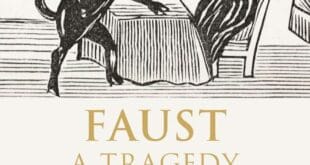
Why “Faust” Is Really About Human Dissatisfaction Johann Wolfgang von Goethe’s “Faust“ is often remembered as a dramatic story of magic, deals with the devil, and tragic romance. Yet beneath the surface, the play is a profound exploration of human dissatisfaction. Goethe’s work is not simply about Faust’s pact with …
Read More »Why “The Tale of Genji” Feels Surprisingly Modern
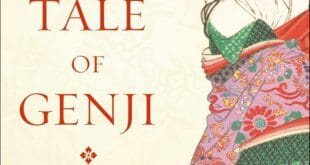
Why “The Tale of Genji” Feels Surprisingly Modern The Tale of Genji, written by Murasaki Shikibu in the early eleventh century, is often called the world’s first novel. At first glance, it might seem distant—an ornate story of courtly life in Heian Japan, full of poetry, rituals, and intricate social …
Read More »The Moral Traps Inside “The Divine Comedy”
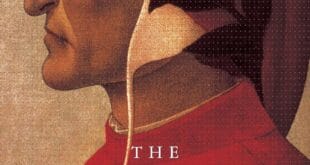
The Moral Traps Inside “The Divine Comedy” The Divine Comedy is often remembered as a journey through Hell, Purgatory, and Paradise. Yet beneath its vivid imagery lies a complex moral exploration. Dante Alighieri was not just telling a story of the afterlife—he was exposing the ethical and spiritual traps that …
Read More »Why “The Epic of Gilgamesh” Is Still About Fear of Death
Why “The Epic of Gilgamesh” Is Still About Fear of Death The Epic of Gilgamesh is the oldest surviving work of literature in the world. Written thousands of years ago, it speaks in a voice that still feels familiar. At its heart, the epic is not only about kings, monsters, …
Read More »What “The Odyssey” Reveals About Survival, Not Heroism
What “The Odyssey” Reveals About Survival, Not Heroism The Odyssey is one of the oldest and most famous stories ever told. It is usually described as an epic about a great hero named Odysseus. But when we look closely, the story is not really about heroic strength or glory. It …
Read More »Why “Don Quixote” Changed the Meaning of Fiction Forever?
Why “Don Quixote” Changed the Meaning of Fiction Forever? Don Quixote is one of the most important books ever written. Many people call it the first modern novel. It was written by a Spanish writer named Miguel de Cervantes. When this book appeared in the early seventeenth century it changed …
Read More »
The Secret Life of Books Hidden stories. Untold truths. Every book